
Surfaces That Survive Decades of Moisture
Tile Flooring in Liberty for kitchens and bathrooms requiring permanent water-resistant surfaces
Ceramic and porcelain tile create a surface that water, heat, and impact can't degrade the way they affect wood or vinyl. The fired clay body becomes essentially inert once the kiln cycle completes, which explains why tile floors in older homes often remain intact long after other materials have been replaced multiple times. A-1 Carpet & Fine Floors handles tile installation across residential remodeling projects in Liberty, with material selection determining how slip-resistant the surface becomes when wet and how visible grout lines appear in the finished floor.
Installation requires a stable, level substrate because tile doesn't flex to accommodate subfloor movement. Concrete slabs provide the ideal base, while wood subfloors need cement board overlay to prevent the organic expansion and contraction that would crack grout and break tile bonds. Thinset mortar bonds the tile to the substrate, with grout filling the joints after the mortar cures. Custom patterns involve precise layout planning to avoid awkward cuts along visible edges and to center dominant design elements within the room.
Request a detailed estimate that accounts for substrate preparation and the specific tile size and pattern you're planning.
What Changes After Tile Installation Completes
The surface becomes noticeably colder underfoot than wood or vinyl, particularly during winter months when the dense ceramic pulls heat away from bare skin quickly. This thermal mass also means tile stays cooler in summer, which many homeowners find comfortable in kitchens where ovens and stovetops generate ambient heat. The finished floor feels completely rigid, with no flex or give even when you drop heavy objects on it.
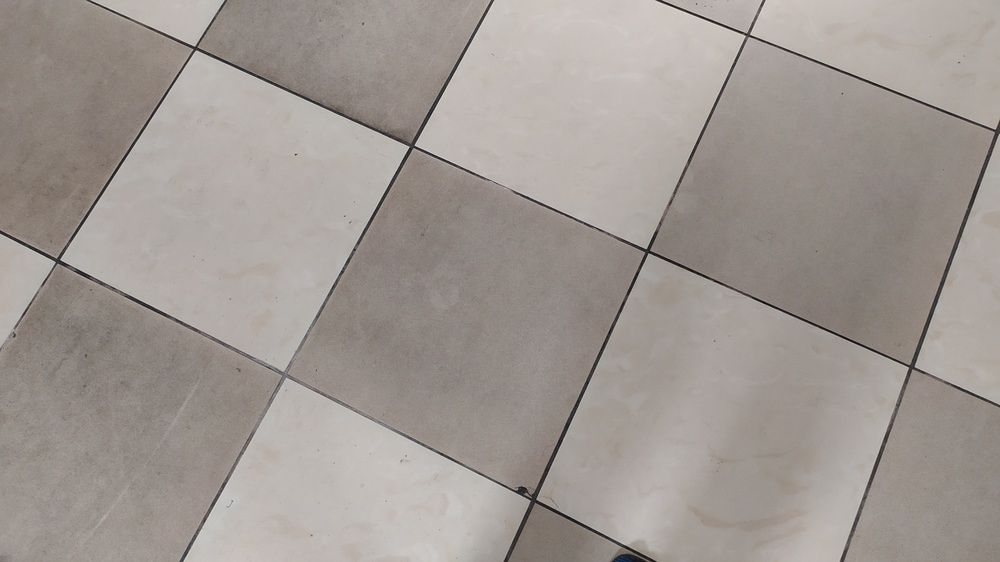
Grout lines become the visual grid that defines the layout, and their width affects how the pattern reads from across the room. Narrow grout lines create a more seamless appearance where individual tiles blend together, while wider joints emphasize the modular nature of the installation. Darker grout hides staining better than light grout but shows dust and lint more readily, creating a maintenance trade-off that affects daily cleaning.
Replacement projects chip out existing tile and remove the old thinset down to the substrate, which generates significant dust and requires covering adjacent rooms to contain debris. Underlayment often needs replacement if water damage from cracked grout has reached the subfloor. New tile goes down once the substrate is confirmed level and structurally sound, with waterproof membranes added in shower areas to prevent moisture from migrating through to framing.
Answers to Frequent Tile Flooring Questions
Homeowners planning tile installations typically want to understand how material choices affect both appearance and long-term maintenance requirements.
What makes porcelain tile different from ceramic tile?
Porcelain gets fired at higher temperatures, creating a denser body with lower water absorption. This makes porcelain more frost-resistant and harder, which matters for exterior applications or high-impact areas. Ceramic tile costs less and works well for interior floors that won't see freeze-thaw cycles.
How does tile size affect installation complexity?
Larger tiles require a flatter substrate because any deviation becomes more apparent across the tile's surface, potentially causing lippage where edges don't align perfectly. Smaller tiles are more forgiving of minor subfloor irregularities and allow tighter turns around fixtures, but they create more grout lines that need ongoing maintenance.
What causes grout to crack or discolor over time?
Movement in the subfloor stresses grout joints until cracks form, which is why cement board or uncoupling membranes are essential over wood framing. Discoloration comes from water carrying dirt into the porous grout, which is why sealing grout after installation helps maintain its original color. In Liberty's humid climate, mildew can also darken grout in poorly ventilated bathrooms.
When should tile be sealed after installation?
Grout needs at least 72 hours to cure fully before sealer is applied. Sealing too early traps moisture inside the grout, preventing it from reaching full strength. Natural stone tile requires its own sealing to prevent staining, while glazed ceramic and porcelain tiles don't need sealing because the glaze itself is impervious.
What preparation happens before tile installation starts?
The subfloor gets checked for deflection by walking across it and feeling for flex or bounce. Excessive movement requires additional support joists or thicker underlayment. Cement board gets screwed down over wood subfloors, with seams taped and thinset applied to eliminate voids that would create hollow spots under the tile.
A-1 Carpet & Fine Floors completes tile projects from substrate evaluation through final grout sealing. Schedule a property evaluation to review your subfloor condition and compare tile samples under your actual lighting.